
The numbers are difficult to ignore. As of early 2024, over 7.6 million people in England were on NHS waiting lists for elective treatment — the highest figure since records began. In London alone, major trusts are reporting average waits of 18 weeks or more for routine procedures, with some specialist referrals stretching beyond a year. Behind every statistic is a person living with pain, uncertainty, and the quiet erosion of quality of life that comes from waiting indefinitely for care. Holistic therapies cannot replace the surgery, diagnosis, or specialist treatment that millions are waiting for. But they can offer something profoundly valuable in the interim: support, relief, and a sense of agency during a period that often feels powerless.
The Scale of the Crisis: Understanding the Numbers
To understand why holistic care has become so relevant, it helps to grasp the full scope of what the NHS is facing. The waiting list for elective care in England stood at approximately 7.6 million treatment pathways in early 2024, according to NHS England data. While the government has made progress on eliminating the longest waits — those exceeding 78 weeks — the overall list continues to grow as demand outpaces capacity.
The picture in London is particularly stark. The capital’s major hospital trusts, including King’s College Hospital, University College London Hospitals, Guy’s and St Thomas’, and Imperial College Healthcare, have all reported significant backlogs. Across London, the median wait for a first outpatient appointment sits at around 14–16 weeks, but this average masks enormous variation. Orthopaedic referrals, gynaecology appointments, dermatology consultations, and mental health assessments frequently involve much longer waits.
Mental health services are under particular strain. NHS talking therapies in London have waiting times that can extend to six months or more in some boroughs, and specialist services for conditions like ADHD, eating disorders, and complex trauma can involve waits of 18 months to three years. Community mental health teams are stretched thin, and many Londoners report feeling lost in a gap between their GP and specialist care — too unwell to simply “wait it out” but not acute enough to access crisis services.
What Waiting Does to People
The impact of prolonged waiting extends far beyond the original condition. Research from the British Medical Association has documented what many patients already know: long waits are associated withworsening physical health,deteriorating mental wellbeing,increased pain levels, andreduced ability to work and participate in daily life. A 2023 survey by Healthwatch England found that 86% of people on waiting lists reported that their condition had worsened while waiting, and 79% said it had affected their mental health.
For Londoners, these effects are compounded by the pressures of living in one of the world’s most expensive cities. The financial strain of reduced working capacity, the difficulty of navigating a stretched healthcare system, and the isolation that chronic health conditions can bring create a perfect storm of distress that the current system is simply not equipped to address in a timely way.
Where Holistic Care Fits: Bridging, Not Replacing
Let us be absolutely clear about something: holistic and complementary therapies are not a substitute for NHS treatment. If you need surgery, you need a surgeon. If you need a diagnosis, you need diagnostic testing. If you need medication, you need a prescriber. No responsible holistic practitioner would suggest otherwise, and at HealRoot we are firm in our belief that holistic care works bestalongside conventional medicine, not instead of it.
What holistic care can do — and what makes it so valuable in the current crisis — is provide meaningful support during the waiting period. It can help manage symptoms, reduce the secondary effects of waiting (like anxiety, deconditioning, and sleep disruption), maintain quality of life, and give people a sense of active participation in their own health at a time when the system has effectively asked them to be passive.
Think of it this way: if you’re waiting twelve months for a knee replacement, that’s twelve months of your life. Holistic care can help ensure those twelve months involve less pain, better sleep, maintained mobility, and stronger mental health — so that when your surgery date finally arrives, you’re in the best possible condition to benefit from it.
Types of Holistic Care That Can Help While You Wait
Acupuncture: Pain Management and Beyond
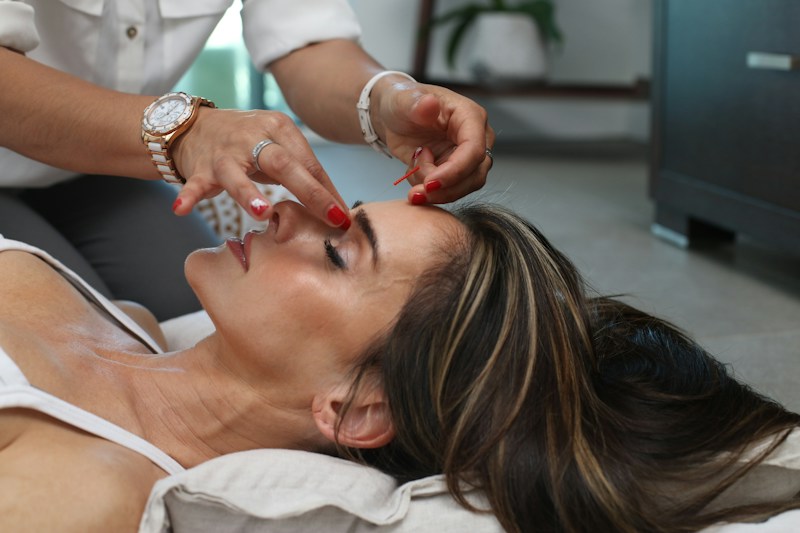
Acupuncture is one of the most evidence-supported complementary therapies, particularly for pain management. NICE guidelines already recommend acupuncture for chronic primary pain and tension-type headaches, and a substantial body of research supports its use for musculoskeletal conditions, osteoarthritis, and post-surgical recovery. For people waiting for orthopaedic procedures, pain clinic referrals, or rheumatology appointments, acupuncture can offer genuine relief.
In London, qualified acupuncturists registered with the British Acupuncture Council (BAcC) can be found across every borough. A course of acupuncture during a waiting period can help reduce reliance on painkillers — a significant benefit given the concerns around long-term use of both over-the-counter and prescription pain medication.
Massage Therapy: More Than Relaxation
Clinical massage therapy is increasingly recognised as a legitimate therapeutic intervention, not simply a luxury treatment. For those waiting for musculoskeletal referrals, massage can help maintain tissue health, reduce muscle guarding around painful areas, improve circulation, and prevent the deconditioning that often occurs when people reduce their activity due to pain.
Beyond the physical benefits, regular massage therapy activates the parasympathetic nervous system, reducing cortisol levels and promoting the relaxation response. For someone living with chronic pain and the anxiety of an indefinite wait, this physiological shift can be transformative. Studies published in the Annals of Internal Medicine have shown massage to be effective for chronic lower back pain, one of the most common reasons people end up on NHS waiting lists.
Herbal Medicine: Traditional Support With Modern Evidence
Medical herbalism offers personalised, whole-system support that can address many of the symptoms people experience while waiting for treatment. A qualified medical herbalist — registered with the National Institute of Medical Herbalists (NIMH) — can formulate bespoke preparations to support specific needs.
- Pain and inflammation— Herbs likeCurcuma longa (turmeric),Zingiber officinale (ginger), andHarpagophytum procumbens(devil’s claw) have documented anti-inflammatory properties and can support pain management without the gastrointestinal side effects associated with long-term NSAID use.
- Anxiety and sleep disruption— Nervine herbs includingPassiflora incarnata (passionflower),Valeriana officinalis (valerian), andMelissa officinalis (lemon balm) can provide meaningful support for the anxiety and insomnia that frequently accompany long waits for treatment.
- Digestive complaints— Those waiting for gastroenterology referrals can benefit from carminative and soothing herbs likeMentha piperita (peppermint),Matricaria chamomilla (chamomile), andAlthaea officinalis (marshmallow root), which support digestive comfort without interfering with future diagnostic procedures.
- Hormonal support— Women waiting for gynaecology appointments may find relief through herbs traditionally used for hormonal balance, such asVitex agnus-castus (chaste tree) andAngelica sinensis (dong quai), though these should always be used under the guidance of a qualified practitioner.
Mindfulness and Meditation: Accessible Mental Health Support
With NHS mental health waiting times stretching into months and years, mindfulness-based approaches offer an accessible entry point for psychological support. Mindfulness-Based Stress Reduction (MBSR) and Mindfulness-Based Cognitive Therapy (MBCT) have a robust evidence base — NICE recommends MBCT for preventing relapse in recurrent depression, and research consistently shows mindfulness reduces anxiety, improves pain coping, and enhances overall psychological resilience.
London has a wealth of mindfulness resources, from community meditation groups in church halls and community centres to dedicated studios in areas like Marylebone, Notting Hill, and Bermondsey. Many practitioners offer sliding-scale fees or community classes at reduced rates. For those who cannot attend in person, several London-based teachers offer online sessions that maintain the personal connection absent from app-based alternatives.
Nutritional Therapy: Foundations of Health
Nutritional therapy — working with a qualified practitioner to optimise diet for specific health conditions — can be profoundly supportive during a waiting period. Whether you’re waiting for a rheumatology appointment and want to reduce inflammatory markers through diet, preparing for surgery and need to optimise your nutritional status for recovery, or managing a chronic condition that conventional care hasn’t yet addressed, targeted nutritional support can make a measurable difference.
Registered nutritional therapists in London, accredited through the Complementary and Natural Healthcare Council (CNHC) or the British Association for Nutrition and Lifestyle Medicine (BANT), provide evidence-informed dietary guidance that works alongside whatever NHS treatment you’re awaiting.
The Affordability Question: Making Holistic Care Accessible
One of the most legitimate criticisms of complementary therapies is cost. If the NHS isn’t providing timely care, suggesting that people pay for private holistic treatment can feel tone-deaf, particularly in a city where the cost of living already consumes most people’s income. This is a concern we take seriously, and it’s worth addressing honestly.
What Things Actually Cost
In London, a session with a qualified holistic practitioner typically ranges from £40 to £90, depending on the modality and the practitioner’s experience. An initial herbal medicine consultation might be £60–£80 with follow-ups at £40–£55. Acupuncture sessions generally range from £45–£75. Massage therapy sits at around £50–£80 for a clinical session. These are not insignificant sums, and we would never pretend otherwise.
Ways to Reduce the Cost
- Community acupuncture clinics— Several London practices offer multi-bed acupuncture sessions at reduced rates, typically £15–£30 per session. You receive the same treatment in a shared, quiet room rather than a private space. The clinical outcomes are comparable.
- Teaching clinics— Several London colleges that train herbalists, acupuncturists, and massage therapists run supervised teaching clinics where advanced students provide treatments at substantially reduced rates. The University of Westminster, the College of Naturopathic Medicine, and the Northern College of Acupuncture’s London clinic all offer such services.
- Sliding-scale practitioners— Many holistic practitioners in London offer reduced rates for those on low incomes, benefits, or NHS waiting lists. It is always worth asking — most practitioners entered this field because they genuinely want to help people, and many would rather see someone at a reduced rate than not see them at all.
- Self-care approaches— Not all holistic care requires a practitioner. Herbal teas, simple meditation practices, gentle yoga, breathing exercises, and dietary adjustments are effectively free. A good practitioner will empower you with self-care tools that extend the benefit of their sessions into your daily life.
- Health insurance— Some private health insurance policies now cover complementary therapies including acupuncture, osteopathy, and chiropractic care. If you have workplace health benefits, check whether these extend to holistic treatments — many people are surprised to find they do.
Practical Steps You Can Take Today
If you’re currently on an NHS waiting list and want to explore holistic support, here is a practical roadmap.
- Tell your GP— Always inform your GP about any complementary therapies you’re using or considering. This ensures there are no contraindications with existing medications or treatments, and it keeps your medical record complete. Many GPs are supportive of complementary approaches when they’re used responsibly.
- Choose qualified practitioners— Always verify that any practitioner you see is registered with an appropriate professional body. For herbalists, look for NIMH or the College of Practitioners of Phytotherapy (CPP). For acupuncturists, the British Acupuncture Council (BAcC). For massage therapists, the General Council for Massage Therapies (GCMT). For nutritional therapists, BANT or CNHC registration.
- Start with what’s free— Before spending any money, explore the self-care approaches that cost nothing. Daily walks in one of London’s magnificent parks, simple breathing exercises, herbal teas made from kitchen herbs like fresh mint or ginger, gentle stretching, and basic mindfulness practice can all provide meaningful benefit.
- Be honest about what you need— Holistic care works best when you’re clear about your goals. Are you primarily seeking pain relief? Anxiety management? Better sleep? A sense of being heard and cared for? All of these are valid needs, and knowing what matters most to you will help you and your practitioner focus your care effectively.
- Keep your NHS appointment— This cannot be stressed enough. Holistic care that helps you feel better is wonderful, but it should never lead you to cancel or delay NHS treatment. Even if your symptoms improve, keep every appointment, attend every scan, and follow through with every referral. Holistic care complements the NHS pathway — it does not replace it.
Working Together: The Case for Integrated Care
The current separation between NHS care and holistic therapies is, in many ways, an artificial one. Across Europe, integrated healthcare models that combine conventional medicine with evidence-supported complementary therapies are commonplace. Germany’s statutory health insurance covers certain herbal medicines. France reimburses some homeopathic and herbal treatments. Switzerland includes complementary medicine in its basic health insurance.
In England, there are promising signs of integration. Several NHS trusts have introduced acupuncture services, particularly in pain management and maternity care. The Royal London Hospital for Integrated Medicine (formerly the Royal London Homeopathic Hospital) continues to offer complementary therapies within the NHS, though its future has been subject to debate. Social prescribing — where GPs refer patients to community-based activities including yoga, meditation, and nature-based therapies — is expanding across London boroughs.
The waiting list crisis may, paradoxically, accelerate this integration. When the system cannot provide timely conventional care, the value of supportive complementary approaches becomes harder to ignore. Every patient who arrives for surgery in better physical and mental condition because they’ve been supported holistically during their wait is likely to recover faster, require fewer post-operative resources, and report better outcomes. This isn’t wishful thinking — it’s basic logic supported by a growing body of evidence on prehabilitation.
A Note on Safety and Responsibility
We believe passionately in the value of holistic care, but we also believe in honesty. There are important caveats that anyone exploring complementary therapies should understand.
- Herbal medicines can interact with pharmaceutical drugs.If you are taking any medication, consult a qualified herbalist or your pharmacist before starting herbal remedies. Some interactions can be serious —Hypericum perforatum(St John’s wort), for example, interacts with a wide range of medications including antidepressants, blood thinners, and the contraceptive pill.
- Not all practitioners are equally qualified. The complementary therapy field is, unfortunately, inconsistently regulated in the UK. Always check credentials, ask about training, and verify professional body membership. A qualified medical herbalist will have completed a degree-level programme; a registered acupuncturist will have at least three years of training.
- Be wary of anyone who tells you to stop NHS treatment. Any practitioner who advises you to cancel surgical procedures, stop taking prescribed medication, or reject conventional medical advice is acting irresponsibly. Walk away.
- New or worsening symptoms need medical attention. If you develop new symptoms while waiting for treatment, or if your existing condition deteriorates significantly, contact your GP or call 111. Do not rely solely on holistic care for acute or rapidly changing conditions.
You Deserve Support While You Wait
The NHS waiting list crisis is not your fault, and the frustration, pain, and anxiety it causes are entirely valid. You deserve care — not just eventually, when your name reaches the top of a list, but now, during the weeks and months of waiting that have become an unavoidable feature of accessing healthcare in this country.
Holistic care offers a way to reclaim some agency in a situation that often feels entirely out of your control. It provides human contact, personalised attention, genuine therapeutic benefit, and the simple but powerful experience of being listened to by someone who has time to hear you. In a healthcare system stretched to breaking point, these things matter more than ever.
At HealRoot, we work alongside the NHS, not against it. Our practitioners are trained to communicate with your GP, to respect your existing treatment plan, and to provide holistic support that enhances rather than complicates your conventional care pathway. We believe that integrated, compassionate, whole-person care should not be a luxury — and we are committed to making it as accessible as possible for Londoners navigating the realities of a health system under unprecedented strain.
If you’re on a waiting list and struggling, know this: you do not have to simply endure. There are things that can help, people who can support you, and steps you can take today to improve your quality of life while the system catches up. The wait may be long, but you don’t have to face it alone.